Modern digital cameras and lenses are sharper than ever. That level of detail is great for photography, but when it comes to video, an extremely sharp image can sometimes look a little too clean and digital.
This is where cine diffusion filters come in.
A good cine diffusion filter can soften the digital appearance of your footage, gently bloom bright highlights, and give skin a smoother appearance without simply making the entire image look blurry.
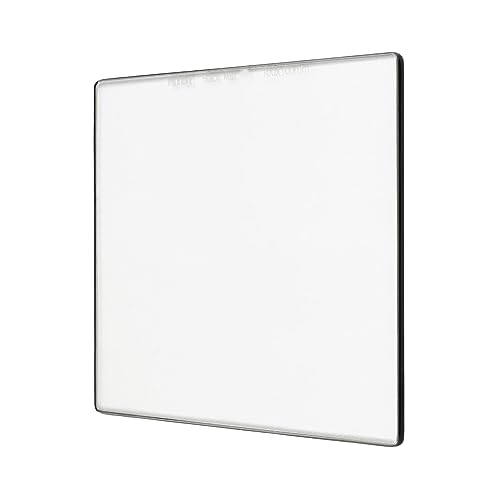
For filmmakers using a matte box, square and rectangular cine diffusion filters are especially useful. Common sizes include 4×4-inch square filters and 4×5.65-inch rectangular filters, which slide into compatible matte boxes rather than screwing directly onto the lens.
In this guide, we’ll look at the best cine diffusion filters for videography, popular filter types, different sizes, diffusion strengths, and what to look for when choosing a cine diffusion filter for your matte box.
What Is a Cine Diffusion Filter?
A cine diffusion filter is designed to alter the way light is rendered by the camera. Rather than simply reducing sharpness, it can soften fine details, reduce the harsh appearance of digital images, and create a gentle glow around bright highlights.
The effect can be subtle or dramatic depending on the filter and its strength.
For example, a 1/8 diffusion filter may produce a barely noticeable softening effect during daytime shooting, while a stronger 1/4 or 1/2 filter can create obvious halation around lights at night.
This makes cine diffusion filters useful for a wide range of video work, including interviews, portraits, music videos, weddings, travel films, street videography, and narrative filmmaking.
If you’re mainly interested in using diffusion filters for still photography, check out our guide to the best diffusion filters for a cinematic look, where we look at diffusion filters for photography and how they affect highlights, contrast, and image rendering.
Cine Diffusion Filters for Photography vs Videography
Diffusion filters can be useful for both photography and videography, but the way you use them can be slightly different.
For photography, you may choose a diffusion filter based on a particular shooting style, such as portraits, street photography, or nighttime city photography. You can also change filters from one shot to the next depending on the look you’re trying to create.
For video, consistency becomes more important. A diffusion filter may stay on the lens or inside the matte box throughout an entire scene or sequence.
This is one reason cine diffusion filters work particularly well with matte boxes. Once you have a compatible 4×4 or 4×5.65 filter installed, you can maintain a consistent look across different lenses.
Why Use Cine Diffusion Filters for Video?
One of the biggest reasons filmmakers use diffusion is to take some of the harshness away from modern digital cameras.
Many current cameras produce extremely detailed footage, particularly when paired with high-quality lenses. While this is technically impressive, it doesn’t always produce the visual character that filmmakers want.
A cine diffusion filter can soften that rendering while retaining important details such as the eyes, hair, clothing, and textures.
Diffusion also becomes much more obvious around strong light sources.
Street lights, headlights, neon signs, candles, and practical lights can develop a soft glow that adds atmosphere to a scene.
This is one reason cine diffusion filters are particularly popular for nighttime filmmaking.
4×4 Square Cine Diffusion Filters
The 4×4-inch filter is a common square format for compact matte box systems.
Its relatively small size makes it suitable for smaller cinema cameras, mirrorless cameras, and lightweight filmmaking rigs.
If your matte box supports 4×4 filters, you can build a collection of cine diffusion filters, ND filters, and other accessories around the same system.
The main advantage is convenience. You don’t need to screw a separate diffusion filter onto every lens.
Instead, the filter slides into the matte box.
This means a single 4×4 cine diffusion filter can potentially be used across several lenses, as long as your matte box provides the required coverage.
4×5.65 Rectangular Cine Diffusion Filters
The 4×5.65-inch format is one of the most common rectangular sizes for cinema filters.
It is widely associated with larger cinema-style matte boxes and professional filmmaking setups.
You’ll find many cine diffusion filters available in this format, including Black Pro-Mist, Black Mist, Glimmerglass, and other diffusion options.
The larger rectangular format provides plenty of coverage for larger lenses and is a good choice if you’re building a more traditional cinema-style camera rig.
If you’re buying a matte box specifically for filmmaking, 4×5.65 is a format worth considering because it gives you access to a broad range of cinema filters.
K&F Concept Square Diffusion Filter
K&F Concept Black Mist is one of the best-known names in cine diffusion filters.
They’re available in different strengths and sizes, including square and rectangular cinema formats.
For general-purpose videography, 1/8 diffusion is a good place to start.
It gives you a subtle effect that can work for interviews, travel videos, street footage, and B-roll.
Moving to 1/4 produces a more noticeable effect, making it more suitable for portraits, music videos, weddings, and stylized filmmaking.
A stronger 1/2 filter can create a dramatic appearance, particularly around bright lights, but it may be too strong for everyday shooting.
NiSi Black Mist
NiSi is another brand worth considering if you’re building a matte-box-based filmmaking setup.
Its cinema filter range includes diffusion filters designed for compatible matte boxes.
A 100x100mm Black Mist filter can give your footage a softer appearance while producing a controlled glow around bright highlights.
NiSi is particularly worth considering if you’re already using other NiSi cinema filters and want to keep your setup within the same filter ecosystem.
A lighter diffusion strength such as 1/8 is a sensible starting point for general-purpose shooting.
Schneider-Kreuznach Hollywood Black Magic
Schneider-Kreuznach’s Hollywood Black Magic is another option for filmmakers looking for a controlled diffusion effect.
The filter is designed to soften the image while maintaining a good amount of detail.
This can make it useful for interviews, portraits, commercial video, and narrative filmmaking where you want softer rendering without making the entire frame look heavily diffused.
Like other cinema filters, make sure you choose the correct physical size for your matte box.
Cine Diffusion Filter Strengths Explained
Choosing the right strength is just as important as choosing the right filter.
1/8 diffusion is usually the safest starting point. The effect is subtle and can work across many different types of video.
1/4 diffusion gives you a stronger cinematic appearance. Highlights bloom more noticeably and the overall image can appear softer.
1/2 diffusion is much more dramatic. It can work well for music videos, stylized portraits, dream sequences, and nighttime filmmaking.
The strength numbers aren’t directly comparable between every manufacturer. A 1/4 Black Pro-Mist may not produce exactly the same look as a 1/4 Black Mist from another manufacturer.
This is why watching real-world examples or testing the filter with your camera and lens is useful.
Cine Diffusion Filters for Night Videography
Nighttime is one of the best situations for using cine diffusion filters.
The filter interacts with bright point sources such as street lamps, headlights, signs, and neon lights.
A Black Pro-Mist 1/8 can create a subtle halo around these sources while retaining most of the image’s detail.
Moving to 1/4 gives you a stronger glow.
This can work beautifully for city streets, music videos, night portraits, automotive videos, and cinematic B-roll.
Be careful with stronger diffusion, though. If you have lots of bright lights in the frame, a heavy filter can cause the highlights to spread much further than you expect.
Cine Diffusion Filters and Matte Box Compatibility
If you’re buying a cine diffusion filter for a matte box, check the filter dimensions before purchasing.
Not every matte box supports the same filter size.
Some systems accept 4×4-inch square filters, while others accept 4×5.65-inch rectangular filters. Compact matte boxes may also use proprietary filter sizes or magnetic systems.
Check these four things before buying:
Filter size: Make sure the filter matches the matte box tray.
Filter thickness: Some matte boxes have specific thickness requirements.
Lens coverage: Make sure the combination provides enough coverage for your lens without causing vignetting.
Filter system: Check whether the matte box uses standard trays, frames, or magnetic filters.
This is particularly important when using wide-angle lenses.
A filter setup that works perfectly on a 50mm lens may show vignetting when you switch to an ultra-wide lens.
Why Use a Matte Box With Cine Diffusion Filters?
A matte box makes a cine diffusion filter much more practical when you’re working with multiple lenses.
Instead of buying a different filter for every lens diameter, you can use one square or rectangular cine diffusion filter inside the matte box. As long as the filter size is compatible with the matte box, you can move between lenses without changing the diffusion filter itself.
Brands such as Tilta, SmallRig, NiSi, PolarPro, and Bright Tangerine offer matte box systems designed for different types of filmmaking setups, from compact mirrorless cameras to larger cinema rigs.
For example, a compact SmallRig or Tilta matte box can be a good match for a lightweight mirrorless video setup, while larger cinema-oriented systems from NiSi or Bright Tangerine can be suited to more substantial camera rigs.
You can also stack different filters in the matte box.
For example, you might place a cine diffusion filter in the first filter stage and an ND filter in another. This can be particularly useful when shooting outdoors.
The diffusion filter controls the character of the image, helping soften digital sharpness and create a gentle glow around highlights. The ND filter controls the amount of light entering the camera, allowing you to maintain your preferred shutter speed and aperture in bright conditions.
Some matte boxes also include top, bottom, or side flags that can help reduce unwanted stray light. This can be useful when shooting toward strong light sources or working outdoors.
When choosing a matte box, pay attention to the supported filter size. Some systems accept 4×4-inch square filters, while others are designed for 4×5.65-inch rectangular filters. There are also compact matte boxes that use proprietary magnetic filters.
For a cine diffusion setup, make sure the matte box, filter size, and lens combination are compatible before buying. Wide-angle lenses can be particularly sensitive to vignetting, so it’s worth checking the manufacturer’s coverage specifications for your specific setup.
4×4 vs 4×5.65 Diffusion Filters For Cinematography
So which format should you choose?
A 4×4 cine diffusion filter makes sense for a compact camera rig and a matte box designed for 4×4 filters.
A 4×5.65 cine diffusion filter is better suited to larger cinema-style matte boxes and provides access to a wide range of professional cinema filters.
Neither format automatically produces a better image.
The physical size mainly determines compatibility with your matte box and lens setup. The actual diffusion effect comes from the filter design and strength.
If you already own a matte box, buy the size it supports.
If you’re starting from scratch, choose a matte box first and then build your cine diffusion filter collection around it.
Screw-In vs Cine Diffusion Filters
Screw-in diffusion filters are still a great option for lightweight setups. If you’re looking for recommendations specifically for still photography, our guide to the best diffusion filters for a cinematic look covers the photography side in more detail.
They’re compact, easy to carry, and can be attached directly to the lens.
A cine diffusion filter used with a matte box takes up more space, but it offers greater flexibility when you’re working with multiple lenses.
For travel videos and casual filmmaking, screw-in filters can be more convenient.
For a dedicated filmmaking rig, a matte box with 4×4 or 4×5.65 cine diffusion filters gives you a more flexible filter system.
What Cine Diffusion Filter Should You Buy?
If you’re buying your first cine diffusion filter, I’d start with a 1/8 filter.
For a 4×4 matte box, look for a compatible 4×4 diffusion filter.
For a 4×5.65 matte box, look for a compatible 4×5.65 diffusion filter.
Tiffen Black Pro-Mist is a popular starting point if you want the classic highlight bloom associated with diffusion filters.
NiSi Black Mist is another option worth considering, particularly if you’re already using NiSi’s cinema filter system.
For a more controlled look, Schneider Hollywood Black Magic is another option to explore.
Don’t feel like you need five different diffusion strengths immediately. One good 1/8 filter can cover a surprisingly wide range of shooting situations.
Final Thoughts
Diffusion filters for cinematography are a simple way to change the character of modern digital video.
They can soften harsh digital rendering, create a gentle glow around highlights, and give footage a more cinematic appearance.
For filmmakers using a matte box, the 4×4 square and 4×5.65 rectangular formats offer plenty of flexibility. You can use the same filter across multiple lenses and combine diffusion with ND filters and other accessories.
If you’re new to diffusion, start with 1/8 strength. It’s subtle enough for interviews, travel videos, street footage, and general B-roll.
If you want a more obvious cinematic effect, 1/4 is the next step.
Most importantly, check your matte box compatibility before buying. A 4×4 filter requires a matte box that accepts 4×4 filters, while a 4×5.65 filter requires a compatible 4×5.65 filter tray.
Once you’ve got the right size and strength, a good cine diffusion filter can become one of those small pieces of filmmaking gear that stays in your kit for years.
Disclosure: Some links in this article are affiliate links. If you purchase a product through one of these links, I may earn a small commission at no additional cost to you. This helps support the site and allows me to continue creating photography and videography guides.