


In the vast world of audio engineering, one small component holds tremendous influence over how your music sounds — the operational amplifier, or op amp. For most casual listeners, op amps are invisible, tucked away deep within circuit boards of DACs, preamps, and amplifiers. But for audiophiles, these unassuming chips are gateways to sonic perfection.
Op amps are the heart and soul of modern HiFi systems. They determine whether your music feels analytical or warm, flat or three-dimensional, sterile or emotional. While some might see them as simple electronic components, the experienced listener knows: changing an op amp can change the way you experience your entire music library.
Over the past decade, “op amp rolling” — swapping op amps for different sonic results — has become a popular ritual among audiophiles and DIY enthusiasts alike. Let’s explore what these little chips do, why they matter, and how they can elevate your HiFi system to new heights.
What Are Op Amps for Hi-Fi?
The Essence of an Op Amp
An operational amplifier is a miniature, high-gain voltage amplifier that boosts weak electrical signals. In a HiFi audio system, op amps process and refine your sound signal before it’s sent to the power amplifier or output stage. Think of them as expert sound editors, controlling volume, tone, and texture with mathematical precision.
The job of an op amp is simple in theory — amplify sound cleanly. But in practice, their design profoundly affects the musicality, clarity, and emotional realism of playback.
Where Op Amps Live in HiFi Gear
In modern HiFi setups, op amps appear in several key locations:
- DAC Output Stages – shaping how digital signals translate into analog sound
- Headphone Amplifiers – defining tone, gain, and bass control
- Phono Preamps – managing fragile signals from turntable cartridges
- Active Crossovers and EQs – ensuring precise frequency distribution
- Integrated Amplifiers – handling signal buffering and tone control
Essentially, if your gear processes analog audio, it probably contains one or more op amps. These tiny chips can profoundly affect how natural, open, or engaging your system sounds.
Why Op Amps Influence Sound Quality

While op amps all perform the same function — signal amplification — their internal design and electrical behavior vary widely. These variations influence the sound’s tonal balance, texture, and dynamic feel.
1. Slew Rate and Speed
A higher slew rate (how quickly an op amp reacts to voltage changes) typically results in sharper, more dynamic sound. Fast op amps reproduce transient details — like drum hits or plucked guitar strings — with stunning clarity.
2. Input Stage Design
- Bipolar Input: Fast, precise, excellent for tight bass and dynamics.
- FET Input: Smooth, low-noise, and ideal for vinyl or sensitive preamp circuits.
3. Noise Floor and Distortion
High-quality op amps minimize unwanted noise and harmonic distortion. This clarity can make the difference between a system that feels congested and one that feels effortlessly open.
4. Power Supply Sensitivity
Even the best op amp sounds poor if starved of stable power. That’s why many audiophiles upgrade op amps alongside better power supplies — to unlock their full potential.
Sound Character: Analytical vs Musical
Every op amp carries a unique sonic fingerprint. Some produce a clinical, highly detailed sound suited for studio monitoring; others deliver a warmer, more musical presentation favored by vinyl lovers.
| Type | Character Traits | Ideal For |
|---|---|---|
| Analytical | Crisp highs, deep detail, fast attack | Modern DACs, mixing gear |
| Musical | Smooth mids, natural decay, rounded tone | Vinyl setups, tube hybrids |
| Neutral | Balanced, uncolored, transparent | Reference amplifiers |
Ultimately, it’s a matter of synergy — pairing the right op amp with your system’s overall tone and your personal taste.
Common Types of Op Amps for HiFi
Dual vs Single Op Amps
- Single Op Amp: Handles one channel; preferred in dual-mono designs for precise channel separation.
- Dual Op Amp: Contains two amplifiers in one package (left and right). Efficient, compact, and commonly used in consumer audio.
When replacing or “rolling,” ensure you match the chip type. Swapping a single for a dual (or vice versa) can cause serious damage.
Bipolar vs FET Input
- Bipolar Input Op Amps: Deliver strong current and precise control — excellent for tight bass.
- FET Input Op Amps: Offer high input impedance and low noise, making them ideal for phono preamps and sensitive circuits.
The Most Popular Op Amps for HiFi (Audiophile Picks)
1. NE5532 — The Industry Legend
The NE5532 has been the studio standard for decades. Its neutral, no-nonsense sound is found in everything from recording consoles to DACs. It’s clean, stable, and affordable — a perfect baseline for comparison.
2. OPA2134 — The Smooth Operator
A favorite among audiophiles seeking warmth and musical flow. The OPA2134 produces rich mids and silky highs, making it ideal for taming bright or analytical systems.
3. LM4562 — The Precision Master
The LM4562 delivers deep bass, pinpoint imaging, and a wide soundstage. Its dynamic punch makes it a favorite in headphone amps and modern DACs.
4. LME49720 — The Airy Performer
Known for openness and micro-detail, the LME49720 enhances the sense of space and realism in recordings. Perfect for high-resolution playback.
5. AD797 — The Audiophile Reference
If cost isn’t a barrier, the Analog Devices AD797 provides exceptional low-noise performance and natural tone — often used in ultra-high-end gear.
Op Amp Rolling: The Audiophile’s Ritual
“Op amp rolling” means swapping out op amps to customize sound. Like tube rolling, it’s both a science and an art. Each swap can subtly change tone, warmth, and imaging — allowing listeners to tailor their gear to perfection.
How to Roll Safely
- Check that your device uses socketed op amps (not soldered).
- Match pin layout, supply voltage, and amplifier type.
- Always power off gear before removing or inserting chips.
- Use an IC extractor or plastic tweezers to avoid static damage.
- Compare over several listening sessions, not quick A/B tests.
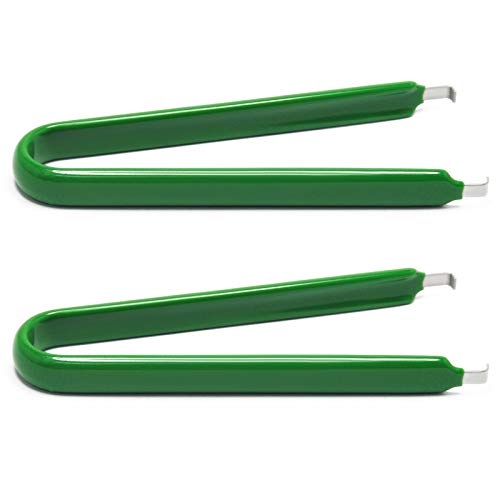
- Antistatic Clip Pliers Circuit Board PLCC PCB IC Chip Extractor Removal Tool for Arduino
- This U type IC extractor is used for pulling integrated block, which is a convenient and professional tool for students to have experiments.
What You Can Expect
- Tighter, more controlled bass
- Smoother or more extended treble
- Improved stereo width and instrument separation
- Greater emotional connection to music
Remember: op amp rolling isn’t about chasing perfection — it’s about discovering what sounds right to you.
Myth or Reality: Do Op Amp Swaps Really Matter?
The Skeptic’s Viewpoint
Many engineers argue that op amps in well-designed circuits measure so similarly that audible differences are negligible. On paper, distortion and frequency responses often look identical.
The Audiophile’s Counterpoint
Seasoned listeners swear they can hear differences — especially in high-resolution setups. They describe subtle but meaningful changes in tonality, air, and imaging that measurements don’t fully capture.
The Balanced Truth
The effect of an op amp swap depends on:
- Circuit design and power supply quality
- The transparency of your gear
- Your listening experience and hearing acuity
So while op amp rolling won’t turn a $100 amp into a $5,000 one, it can unlock hidden performance and add personal flavor to your sound.
Fake vs Genuine Op Amps: A Serious Warning
Signs of Fakes:
- Suspiciously low prices
- Off-center or smudged text markings
- Missing manufacturer logos
- Sourced from unknown sellers or auction sites
Buy Only From:
- Authorized distributors like Mouser, Digi-Key, or Element14
- Reputable audio parts stores
- Official brand sites (Texas Instruments, Analog Devices)
Using fake chips can cause instability, overheating, or even circuit failure. Always buy genuine.
Do Expensive Op Amps Sound Better?
Surprisingly, no. Some affordable op amps outperform costly “boutique” ones depending on the circuit. The system synergy — not price — determines success.
Audiophiles often find the sweet spot among mid-range chips like LM4562 or OPA2134, which offer musicality and precision without breaking the bank.
Conclusion: The Art and Science of Sound Perfection
In the end, op amps for HiFi represent the perfect intersection between science and emotion. They’re the bridge between raw signal and refined sound — shaping how you feel when the music starts.
For casual listeners, op amps quietly do their job. For audiophiles, they’re a portal to endless exploration — each chip unlocking new dimensions of sound, intimacy, and realism.
So, whether you’re tuning your DAC, refining your headphone amp, or chasing the perfect vinyl tone, remember: the magic of HiFi often lies in the smallest components.




One Response
Soldered surface mounted (much smaller than socketed) OPA1656 into my £500 amplifier, superior upgrade, replacing the TL072 pair. Careful preparation of the PCB and patience desoldering. Achieved with soldering iron. Not a quick swap, but worth it. Risky though.