Table of Contents
Looking to spin some records but still not sure how to choose a good turntable without regret? Vinyl is fun, tactile, and deeply satisfying, until the wrong turntable turns it into a hassle. Speed problems, harsh sound, limited upgrade paths, or weak build quality can quickly take the joy out of what should be a relaxing hobby. If you’re searching for a good turntable that actually fits your life, this guide is made for real listeners, real homes, and realistic budgets.
A good turntable isn’t about chasing hype or buying the most expensive model on the shelf. It’s about balance. Your space, listening habits, future upgrade plans, and how the rest of your system fits together matter far more than flashy specs or brand names. Once those basics are clear, choosing the right turntable feels far less overwhelming.
This guide walks you through everything step by step, helping you make a confident choice and focus on what really matters, enjoying your records instead of worrying about gear.
Think About Your Listening Space First
Before looking at models or prices, stop and look around your room. Turntables are sensitive to vibration, movement, and unstable surfaces. Where your deck sits affects sound more than many people expect.
If you live in an apartment, condo, or shared space, this matters even more. Foot traffic, thin floors, and small furniture can all affect playback. A compact system placed properly often sounds better than a large setup placed poorly. This small apartment vinyl listening setup guide helps explain isolation, shelf placement, and how to reduce vibration without spending much.
Learning how to choose a good turntable, always think room first, gear second. A great turntable in a bad spot will never reach its potential.
Belt Drive vs Direct Drive: Quick Comparison


If you’re still unsure which type fits you best, this quick comparison helps narrow things down without overthinking it.
Belt drive turntables are best for home listening. They focus on smooth playback, lower vibration, and a more relaxed sound that works well for full albums. Most people listening at home, especially beginners, feel more comfortable starting here because the experience is calm and forgiving. Belt-driven turntables for superior sound quality make sense if you enjoy sitting down with an album and letting it play from start to finish.
Direct drive turntables are built for durability and fast response. They shine in DJ setups where quick start-up, speed control, and heavy use matter more than subtle sound detail. Choose a direct drive turntable if you plan to DJ, mix, scratch, or want fast cueing with a tougher build that can take abuse.
For most readers learning how to choose a good turntable for home listening, belt drive remains the safer and more enjoyable option.
Belt drive turntables – pros and cons:
- Pros: Quieter operation, smoother sound, better suited for albums and long listening sessions
- Cons: Slower start-up, not ideal for scratching or heavy handling
Direct drive turntables – pros and cons:
- Pros: Fast start-up, strong speed stability, durable for frequent handling
- Cons: More focused on performance than relaxed home listening
A Common Beginner Mistake to Avoid
A common mistake when learning how to choose a good turntable is buying a direct drive model simply because it looks more “serious” or professional. Many beginners assume direct drive automatically means better sound, but for home listening, that’s often not true.
Direct drive turntables are designed for control and durability, not relaxed listening. They can sound great, but their strengths only shine if you actually need fast start-up, pitch control, or heavy handling. For most people spinning records at home, those features go unused while adding cost and complexity.
If your goal is simple, enjoyable listening, starting with a belt drive turntable usually leads to fewer frustrations and better long-term satisfaction. If you want to see beginner-friendly options that match this approach, browsing best vinyl record players can help narrow things down without overthinking specs.
This mindset makes deciding how to choose a good turntable much easier and helps you avoid buying gear that doesn’t match how you actually listen.
Built-In Phono Preamp or External Gear


Every turntable needs a phono preamp. This isn’t optional. The signal coming from a turntable is very low and has to be boosted correctly before it reaches speakers or an amplifier. Without a phono preamp, your records will sound quiet, thin, or not play properly at all.
Some turntables come with a built-in phono preamp. These are easy to live with and ideal if you’re using powered speakers or want a simple setup with fewer boxes and cables. You can plug everything in and start listening right away, which is great for beginners.
Other turntables need a separate external preamp. This adds a bit more cost and setup time, but it gives more control later if you plan to upgrade parts of your system. External preamps are often chosen by listeners who enjoy tweaking gear over time.
Many best Bluetooth turntables under $500 include built-in preamps, which is why they’re popular in modern homes. Bluetooth adds convenience, and the built-in preamp keeps the setup clean and straightforward.
When picking up a good turntable with built-in preamp for the first spin, ask yourself whether you want plug-and-play simplicity now or more upgrade freedom later. Neither option is wrong, it’s about what fits your setup and where you see yourself going with vinyl.
Built-in phono preamp – pros and cons:
- Pros: Easy setup, fewer cables, works well with powered speakers
- Cons: Less flexibility, limited upgrade potential
External phono preamp – pros and cons:
- Pros: Better upgrade options, more control over sound quality
- Cons: Extra cost, more cables and components
Manual, Semi-Automatic, or Fully Automatic Turntables

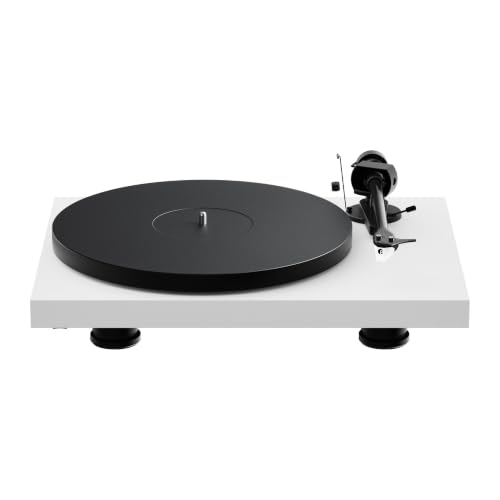
Turntables come in three main operation styles. Manual models require you to place the tonearm at the start of a record and lift it again when the side ends. Semi-automatic models work the same way but lift the tonearm automatically once the record finishes. Fully automatic models handle everything for you with the press of a button.
Sound quality doesn’t depend on automation, convenience does. Manual turntables feel more hands-on and ritual-focused, which some listeners really enjoy. A turntable with automatic tonearm control feature, on the other hand, adds peace of mind. It’s especially helpful if you tend to walk away, get distracted, or listen while doing other things around the house.
For many people learning how to buy a good turntable for beginners, automatic or semi-automatic models reduce stress and help protect records and styli from accidental wear. There’s no reason to feel guilty about choosing convenience. The goal isn’t to manage the tonearm perfectly every time, it’s to relax and enjoy your music.
Manual turntables – pros and cons:
- Pros: Hands-on experience, fewer moving parts, traditional vinyl feel
- Cons: Requires attention, higher risk of stylus wear if forgotten
Automatic and semi-automatic turntables – pros and cons:
- Pros: Easier to use, safer for records, ideal for casual or multitasking listening
- Cons: More internal mechanisms, slightly less hands-on control
Turntable Cartridges and Stylus Basics

Turntable cartridges play a huge role in how your records sound. They hold the stylus, which physically traces the groove, and even small changes here can affect clarity, warmth, tracking, and even issues like surface noise and pops. If you’re hearing unwanted noise, this guide on why your vinyl record crackles and how to fix it explains how cartridge setup and stylus condition tie directly into playback quality. For many listeners, this is where meaningful sound improvements begin.
Most entry-level turntables come with decent cartridges that sound good right out of the box, and that’s perfectly fine when you’re starting. What matters more than price is whether the cartridge is replaceable and widely supported. That flexibility lets you upgrade later without replacing the entire turntable.
For listeners looking at turntable cartridges for audiophiles on a budget, brands like Audio-Technica are a safe place to start. Their cartridges are easy to find, affordable, and simple to upgrade as your system grows. An Audio-Technica turntable buyer’s guide or Pro-Ject turntable reviews and comparisons can also help you compare options without overthinking the details.
Understanding cartridges early removes much of the confusion around how to choose a good turntable and helps you avoid spending money in the wrong places as your vinyl setup evolves.
Build Quality and Stability Matter More Than Features
A good turntable should feel solid the moment you touch it. Lightweight plastic builds often pass vibration straight to the stylus, which can affect tracking, clarity, and overall consistency during playback.
Focus on the basics instead of flashy extras. A stable platter helps maintain steady speed, firm feet reduce vibration from floors or furniture, and a tonearm should move smoothly without looseness or wobble. These physical details have a much bigger impact on sound than digital displays, lights, or extra buttons.
This rule applies across the board, whether you’re shopping for an entry-level deck or exploring high-end turntables. Stability is the foundation of good sound, and it matters far more than added features at any price point.
Turntable Mats and Subtle Sound Control
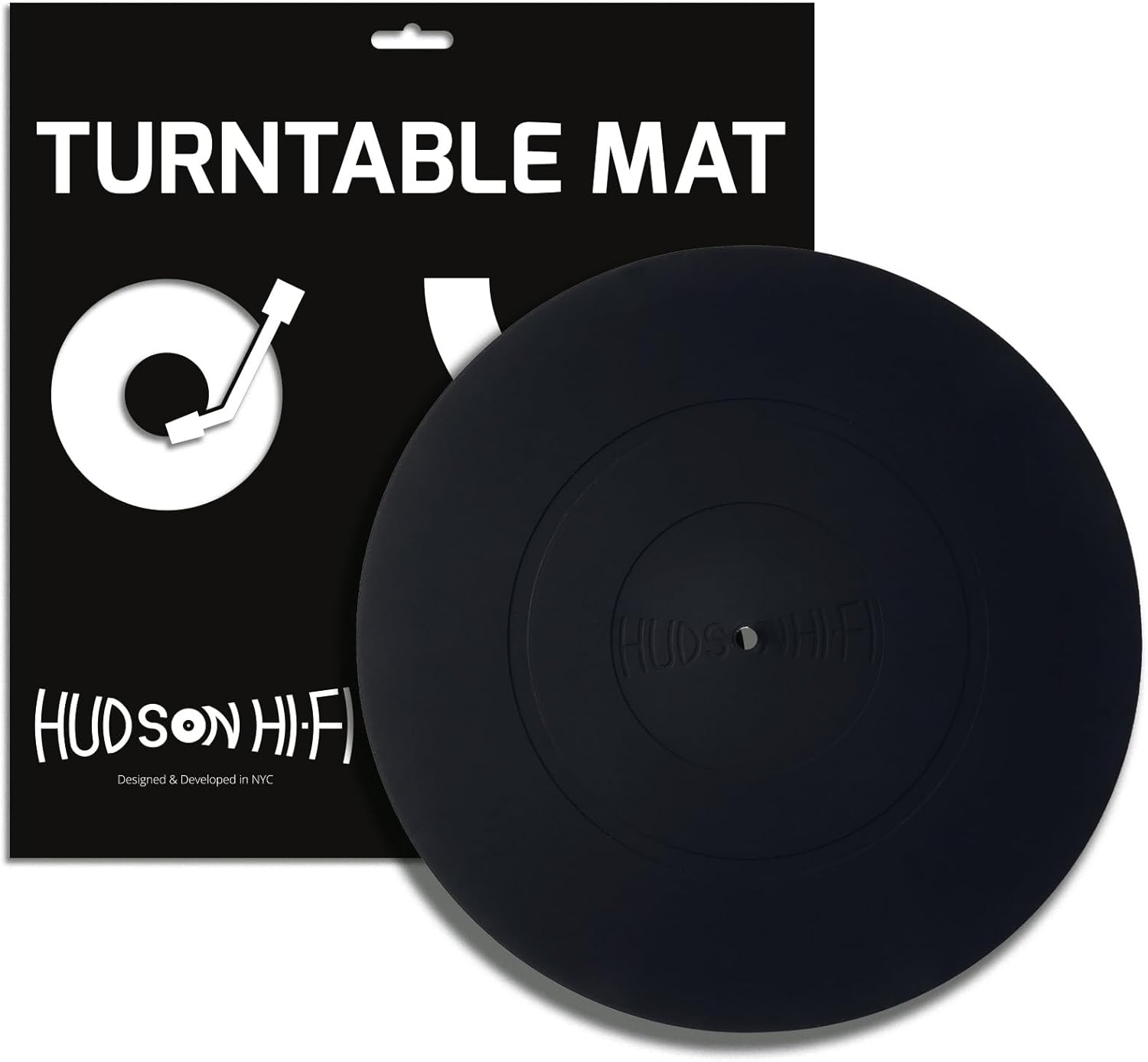
Turntable mats are easy to overlook, but they play a quiet role in vibration control and record contact. Sitting between the record and the platter, the mat influences how energy moves through the system and how securely the record stays in place during playback. This can affect background noise, clarity, and overall stability.
Felt mats are common and gentle on records, which is why many turntables include them by default. Rubber mats provide more damping and can help reduce vibration, especially on lighter turntables. Cork and leather mats fall somewhere in between, offering a balance of grip and resonance control. None of these are essential upgrades, but they’re simple to swap and easy to experiment with.
Understanding turntable mats and their impact on sound quality is useful when thinking about long-term tuning. Small changes like this won’t transform a system overnight, but they can fine-tune sound without replacing core gear or spending much.
Match the Turntable With the Rest of Your System
A turntable is only one part of the system. Speakers, amplifier, and room all shape what you actually hear. Overspending on one piece while neglecting the rest often leads to disappointment.
If you want a clean starting point, turntable bundles with speakers remove a lot of guesswork by pairing compatible gear. These setups are balanced and beginner-friendly.
For deeper understanding, an ultimate hi-fi turntable setup guide explains how turntables, speakers, amplification, and placement work together. It’s especially helpful once you start thinking about upgrades.
If you’re still exploring styles and price ranges, browsing best vinyl record players helps narrow down what type of setup fits your listening habits.
Turntable Accessories Worth Adding Slowly

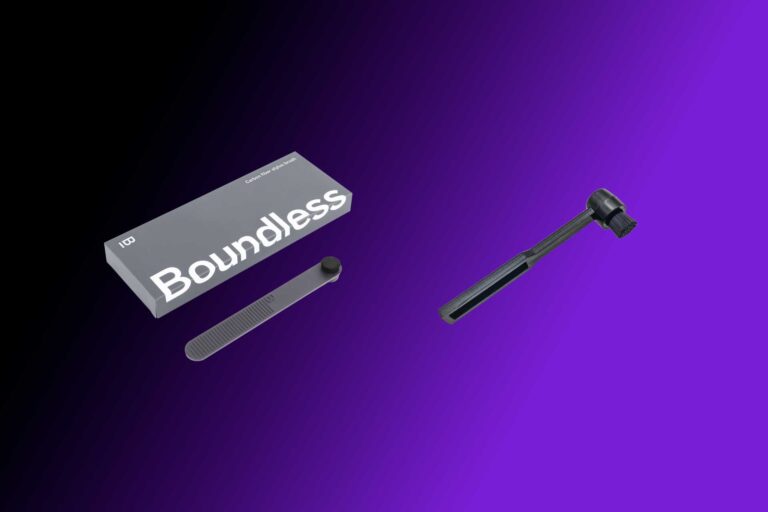
There are many useful turntable accessories, but you don’t need to buy everything at once. When starting out, focus on accessories that protect your records and help your turntable perform consistently. A simple record brush keeps dust out of the grooves, while a stylus cleaner helps extend stylus life and maintain clean playback. Isolation feet can reduce vibration in rooms with springy floors, and dust covers protect your gear between listening sessions.
The key is adding accessories only when they solve a real problem. If your records sound noisy, cleaning tools make sense. If footfalls cause skipping, isolation helps. Buying accessories upfront without a clear need often leads to clutter and wasted money.
Good accessories should quietly support listening, not distract from it. When learning how to choose a good turntable and build a setup around it, patience usually pays off more than impulse upgrades.
New vs Vintage Turntables: Which Is Better for Your First Setup?

Vintage turntables can sound fantastic and often offer strong value, but condition matters a lot. Worn belts, tired motors, aging wiring, and unavailable parts can quickly turn a good deal into extra work. Without experience, it’s hard to know what you’re really buying until problems show up.
New turntables are much easier to live with. They’re ready to use out of the box, come with warranties, and remove most of the guesswork. For first-time buyers, this means less time troubleshooting and more time actually listening to records.
Vintage turntables make sense if you enjoy restoring gear, know what to look for, or have access to a trusted seller. If your goal is simply to enjoy your first spin without stress, new models are usually the safer choice when deciding how to select a good turntable for a first setup.
Are High-End Audiophile Turntables Worth It for Most Listeners?
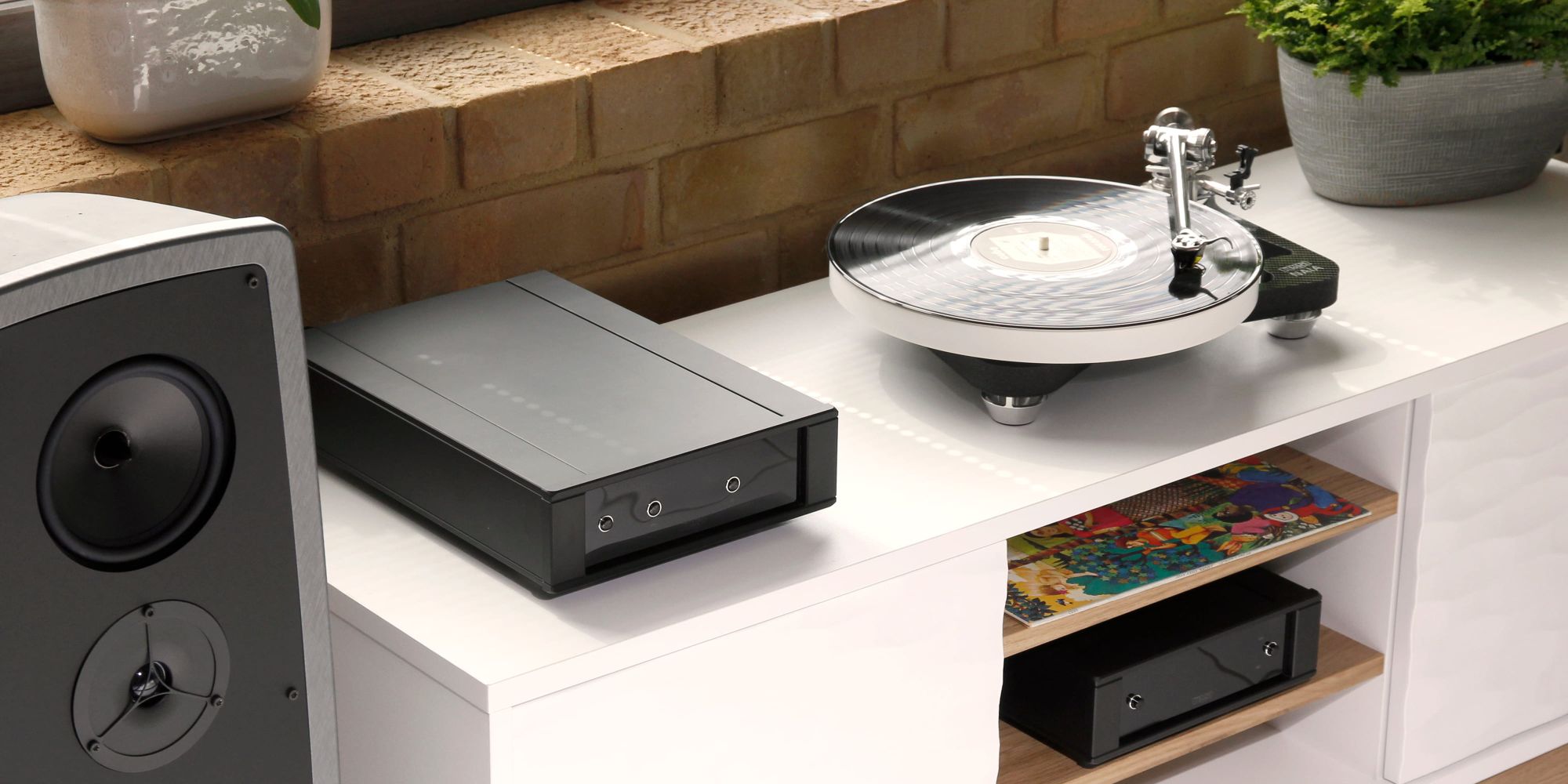
High-end audiophile turntables use better materials, tighter tolerances, and more refined tonearms. When paired with good speakers, careful setup, and a treated room, they can deliver excellent detail and control. Their strengths show most clearly in systems that are already well balanced from top to bottom.

- Fully manual, belt-drive operation with two speeds: 33-1/3 and 45 RPM
- Heavy 40 mm MDF (medium density fiberboard) cabinet construction reduces resonance and vibration for clearer sound

For beginners, though, they’re rarely necessary. A well-set mid-range turntable can sound excellent and is often more forgiving in everyday spaces. Without matching speakers and room conditions, much of what makes high-end turntables special can be hard to hear.
Understanding this keeps how to choose a good turntable grounded and helps avoid overspending early. Start with something solid, learn what you enjoy, and move up only when the rest of your system is ready to support it.
Turntable Speed Quick Guide: 33, 45, and 78 RPM
Turntable speed plays a big role in how your records sound. Playing a record at the wrong speed changes pitch and timing, making music feel rushed or sluggish. Getting the speed right helps preserve sound quality and protects your records from unnecessary wear, especially if you’re just starting out with vinyl.
Most modern records are designed for 33⅓ RPM, which is used for full-length albums. 45 RPM is common for singles and some audiophile pressings, offering slightly better clarity at the cost of more frequent record flipping. 78 RPM is reserved for much older records and requires a compatible turntable and stylus, so it only matters if you collect vintage vinyl.
If you want a deeper breakdown of turntable speeds, including which records use which speed and how to avoid common mistakes, check out our full turntable speed guide. It walks through everything step by step so you can match your records to the right speed with confidence.
FAQ: How to Choose a Good Turntable
Are DJ turntables good for home listening?
DJ turntables can work for home listening, but they’re designed with a different purpose in mind. They focus on durability, fast start-up, and stable speed under heavy use. For casual album listening, they can feel overbuilt and may lack the subtle detail that many belt drive models offer. If you don’t plan to mix or scratch, home-focused turntables usually sound more natural and relaxed.
Do turntable mats really make a difference?
Yes, turntable mats affect how vibration travels between the record and the platter. Different materials like felt, rubber, or cork change how energy is absorbed or reflected. The difference is subtle, but it can help reduce resonance and improve record contact. Mats are an easy way to fine-tune sound without replacing major components.
Should beginners upgrade cartridges early?
Most beginners don’t need to upgrade cartridges right away. Stock cartridges on modern entry-level turntables are usually well matched and safe for records. It’s better to spend time learning your system and listening habits first. Once you know what you like or dislike about the sound, upgrading a cartridge becomes a more meaningful improvement.
Can cheap turntables damage records?
Yes, poorly designed turntables can damage records over time. Heavy tonearms, incorrect tracking force, and low-quality styli are common problems. This is especially true for players that lack proper adjustment or use fixed ceramic cartridges. A properly set turntable, even at a lower price, should track cleanly and protect your records.
Is Bluetooth okay for vinyl listening?
Bluetooth is fine for casual listening and everyday use, especially in modern homes. Newer codecs like aptX, aptX HD, and LDAC offer better sound quality than standard Bluetooth and can preserve more detail than older wireless connections. That said, Bluetooth still applies compression, which slightly reduces the natural texture and depth that vinyl is known for.
Wired connections continue to sound better overall and do a better job of preserving the full vinyl character, especially in quieter listening environments. Many listeners start with Bluetooth for convenience, then move to wired setups later as their system improves and their listening habits become more focused.
This keeps Bluetooth useful without overselling it, and helps readers make a practical choice based on how they actually listen.
Final Thoughts
Vinyl should feel calm, rewarding, and personal, not stressful or disposable. Once you understand how to choose a good turntable, the noise fades away and the fun takes over. Focus on your space, your listening habits, and gear that treats your records with care instead of chasing trends or quick fixes.
That’s also why it’s worth understanding why suitcase turntables are best avoided. They look tempting and feel convenient, but poor tracking, heavy tonearms, and built-in speakers can wear records down quickly and hold sound quality back from the very first spin. What feels easy at the start often becomes limiting fast.
Your first turntable doesn’t need to be perfect or expensive. It just needs to sound decent, protect your records, and make you want to keep playing them. Start there, enjoy the process, and let everything grow naturally from that point on.