Your lens is the eye of your camera, not just glass. When it’s clean, light passes through without interference, preserving sharpness, contrast, and accurate color. Dust and smudges disrupt that flow, softening detail and dulling images. Over time, neglect can even erode anti-reflective coatings that protect the lens and elevate image quality.
Like vinyl records, camera lenses collect grime faster than most photographers expect. Street work brings pollution, landscapes add dust and wind, and portrait sessions leave behind makeup and skin oils. These traces feel minor, but over time they quietly erode optical performance. Regular cleaning with the right tools restores clarity and keeps your lenses sharp for years.
About Camera Lens Cleaning Kits
How often you clean a lens depends on how and where you shoot. If you work outdoors, dust and moisture can build up fast, making weekly cleaning a smart habit. Studio photographers usually need less frequent care. One firm rule: never use eyeglass cleaners on camera lenses; they can strip or damage the lens coatings.
Pre-moistened wipes are safe only if they’re made for optical surfaces and contain no alcohol. When sand or grit is present, always start with an air blower; wiping first can leave permanent scratches. Sensor cleaning is different. Unless you have the right tools and experience, it’s best left untouched, as sensors are extremely delicate and easy to damage.
When it comes to preventing fungus and dust buildup, proper storage is just as vital as cleaning. Always store your lenses in a dry cabinet or airtight container equipped with silica gel packs or a dehumidifier. These dry cabinets for camera gear are designed to maintain an optimal humidity level, preventing moisture from settling on or inside your lenses. This simple step helps protect against mold growth, corrosion, and haze, ensuring your optics remain in pristine condition for years.
The Importance of Keeping Your Lens Clean
Your lens is the eye of your camera, not just glass. When it’s clean, light passes through without interference, preserving sharpness, contrast, and accurate color. Dust and smudges disrupt that flow, softening detail and dulling images. Over time, neglect can even erode anti-reflective coatings that protect the lens and elevate image quality.
Like vinyl records, camera lenses collect grime faster than most photographers expect. Street work brings pollution, landscapes add dust and wind, and portrait sessions leave behind makeup and skin oils. These traces feel minor, but over time they quietly erode optical performance. Regular cleaning with the right tools restores clarity and keeps your lenses sharp for years.
How Dust, Smudges, and Moisture Affect Image Quality
Every particle on a lens changes how light behaves. Dust casts tiny shadows that show up as spots, especially when shooting into the sun or at small apertures. Fingerprints leave oily smears that scatter light, causing glare and muted contrast. Moisture is the real threat; rain, humidity, or condensation can trigger internal fogging or even fungal growth inside the lens.
These problems don’t just lower image quality; they can become permanent if ignored. Fungal growth, for example, can etch into lens coatings and require professional disassembly to fix. Regular use of a proper camera lens cleaner keeps optics pristine, protects your photos, and helps prevent costly long-term damage.
What to Look for in the Best Camera Lens Cleaning Kits
A good camera lens cleaning kit should combine gentle cleaning tools with professional-grade materials that protect your lens. The most essential components include a blower to remove loose dust, a soft-bristle brush for delicate surfaces, and a microfiber camera lens cloth to wipe away oils and fingerprints without scratching. These are the backbone of every cleaning setup.
The cleaning solution matters just as much as the tools. Always choose alcohol-free, ammonia-free formulas made specifically for optical surfaces. They lift grime safely without stripping protective coatings. Skip household glass cleaners – convenient, yes, but often harsh enough to cloud or permanently stain a lens.
Portability matters, especially if you shoot on the move. Compact cleaning kits slip easily into a camera bag and are far more likely to be used. Higher-end kits often add travel pouches and refillable spray bottles, making them practical companions for fieldwork, long days, or extended trips.
Top 7 Best Camera Lens Cleaning Kits of 2026
The market is full of options, but only a few cleaning kits strike the perfect balance between effectiveness, quality, and affordability. Here are the top-rated choices for 2026 that photographers trust worldwide.
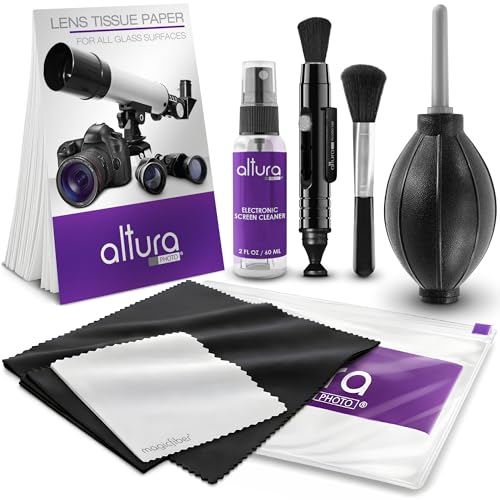
- Everything You Need, Nothing Missing: Unlike swabs-only kits that leave you buying each tool separately, the Altura Photo Camera Cleaning Kit includes everything in one hard-shell carrying case - 6 individually wrapped, vacuum-sealed, lint-free...
- Safe for Every Lens and Sensor: The Altura Photo 2oz cleaning solution contains no alcohol or ammonia. Formulated with All-Natural, plant based ingredients 100% safe for all electronics, multi-coated lenses, and digital imaging sensors. Neutralizes static...
- COMPLETE CAMERA CLEANING KIT: Our camera lens cleaning kit includes an alcohol & ammonia-free lens cleaner spray, cleaning brush, lens pen, air blower, MagicFiber microfiber cloths (3), and lens tissue paper wipes (50). Most competing lens cleaning kits...
- SAFE LENS CLEANER SPRAY: Our lens cleaning solution is alcohol-free, ammonia-free, and odor-free. Formulated to safely remove dust, fingerprints, and smudges from anti-reflective coatings and multi-coated glass. Professional MagicFiber microfiber cleaning...
- Safe for Multiple Optical Lens Types: Suitable for a variety of optical lens surfaces, including lenses with anti-reflective or blue light coatings, as well as prescription glasses, sunglasses, and camera lenses.
- Effective Formula: Ammonia-free, low-VOC cleaner safely removes dirt and oils from lenses without harsh chemicals.
- Includes Lenspen Original Elite, FilterKlear Elite, MicroPro Elite and Microfibre pouch
- New invisible carbon cleaning compound
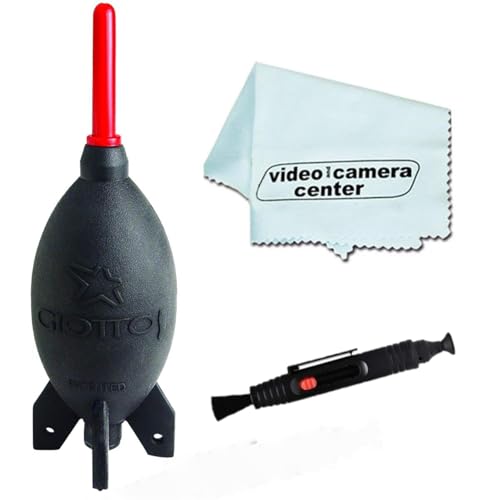
- Durable long-lasting construction - crafted from a durable silicone rubber that offers a virtually instantaneous rebound for a nearly continuous stream of clean air
- Safely blows clean air to eliminate dust from sensitive or hard-to-reach surfaces lenses, cameras, filters, and keyboards, etc.
- Cleaning for Glasses: This glasses cleaning cloth removes dirt, dust, and smudges without streaks or scratches; ideal for maintaining clear lenses and delicate surfaces
- Gentle on All Lenses: Designed for safe use on coated and non-coated optics, this Care Touch lens wipes for eyeglasses provide a soft and no chemical solution for daily cleaning
One of the most popular kits is the Altura Photo Professional Cleaning Kit, which provides everything you need in a single package. It includes an air blower, cleaning pen, microfiber cloths, and a gentle, non-toxic cleaning solution. Affordable and compact, it’s a go-to choice for both DSLR and mirrorless users who want a reliable, all-in-one kit.
The Zeiss Lens Cleaning Kit is another standout, especially for professionals. Zeiss, a name synonymous with optical precision, offers streak-free wipes and high-purity cleaning liquid that dries quickly. It’s ideal for maintaining premium lenses where even a minor residue can affect performance.
For photographers who prefer minimal gear, the LensPen DSLR Pro Cleaning Kit offers a compact and clever solution. Its retractable brush removes dust efficiently, while the carbon cleaning tip lifts fingerprints and smudges. It’s an excellent choice for travel or outdoor photography, where carrying liquids may not be convenient.
If you’re looking for a safe, contact-free cleaning tool, the Giottos Rocket Air Blower Kit is indispensable. Its powerful yet gentle air stream removes fine dust from lenses and sensors without any physical contact. Built from durable silicone, it’s an essential first step in any cleaning routine.
The CareTouch Microfiber cloths offer a travel-friendly solution to remove dirt, dust, and smudges without streaks or scratches. It’s ideal for photographers who want efficiency without compromising safety.
Step-by-Step Guide to Proper Lens Cleaning
Cleaning your camera lens requires patience and the right technique. Begin by using an air blower to remove any loose dust or debris. Hold the lens facing downward so that gravity helps the particles fall away. This step prevents you from rubbing dust into the glass, which could cause scratches.
Once the lens is free of loose debris, use a clean, dry microfiber cloth. Wipe gently in small circular motions, starting at the center and working outward. This lifts oils and smudges evenly. Keep the pressure light, soft, controlled movements clean more effectively and protect the lens coatings.
If marks still linger, lightly dampen a small section of the cloth with lens cleaner. Never spray liquid directly onto the lens—excess moisture can seep into the edges or electronics. Let the surface air dry before replacing the lens cap. It only takes a few minutes, but the improvement in image quality is immediate and lasting.
Common Mistakes to Avoid When Cleaning Your Camera Lens
Lens cleaning looks simple, but small mistakes can cause lasting damage. Using tissues, cotton pads, or rough fabrics often leads to micro-scratches that add up over time. Too much cleaning fluid is another risk, excess moisture can seep into the lens barrel and harm internal parts.
Some photographers mistakenly breathe on their lenses before wiping, thinking the moisture helps. In reality, breath contains acids and bacteria that can damage lens coatings. Using eyeglass cleaners or household sprays is another major error, as they contain chemicals that degrade protective layers. Always stick to optical-grade solutions designed for camera lenses to ensure safe and effective results.
Pro Tips to Extend Your Lens Lifespan
Cleaning is only half the job; how you store and handle your lenses matters just as much. Keep them in a dry, dust-free space whenever possible. A camera cabinet or sealed container with silica gel helps prevent fungus, especially in humid conditions. When a lens isn’t in use, secure both the front and rear caps to keep dust out.
Clean your lenses regularly, even when they look spotless. Thin layers of oil and pollution can settle invisibly, slowly dulling image quality. Handle your gear with care, and use a lens hood or UV filter for added protection. Small habits like these preserve performance—and keep a good lens working for decades.
Best Practices for Cleaning Camera Sensors and Viewfinders
Lens cleaning is simple. Sensor and viewfinder care demand more precision. Camera sensors are extremely delicate, so only use proper sensor swabs and anti-static solutions made for digital cameras. Always work in a clean space to avoid introducing new dust. If there’s any doubt, professional cleaning is the safer choice.
Viewfinders are less fragile. A blower or soft brush is usually enough, and liquid cleaners are rarely needed when moisture can fog internal optics. Keeping lenses, sensors, and viewfinders maintained ensures that what you see matches what your camera records.
Recommended Accessories for a Complete Cleaning Setup
- 【PROFESSIONAL LENS CLEANING KIT】:Dslr cleaning kit includes Camera Dust Blower*1, Lens Cleaning Pen*1, Microfiber Lens Cleaning Cloths*2. Safe for all electronics, coated lenses and sensors.
- 【CAMERA AIR BLOWER】:This lens blower is made of environmental friendly silicone material, which is moderately soft. The soft air nozzle will not damage the lens. One-way air intake, large air volume design, to avoid cross-contamination caused by air...
- THE VALUE CHOICE - 32 PREMIUM PACK: Experience brand-name quality without the price tag. You get 32 professional-grade cloths (24 Black + 8 Grey) for a fraction of the cost of leading brands. Perfect for stocking up your home, office, car, and camera bag...
- OPTICAL-GRADE MATERIAL (NO SCRATCHES): Engineered with the same high-density split microfiber technology used by professional photographers. These ultra-fine fibers lift oil, fingerprints, and dust instantly without leaving scratches, streaks, or lint...
- Professional Camera Lens Cleaning Kit Includes: air blowing * 1, two in one cleaning pen * 1, brush * 1, beauty brush * 1, cleaning cloth * 5, lens paper * 20, cleaning rod * 4, detergent * 1, dry and wet bag *5, tweezers *1, storage box *1, cotton swab...
- Zero Scratches, Efficient Cleaning: Extremely fine Microfiber can easily clean the invisible dust, particles and smudges on Cameras and Lens, leaves zero scratches, streaks or marks. Non-Toxic Alcohol-Free Formula Cleaner Kits also leave zero scratches...
- Precision Carbon Head: New and improved optical carbon effectively clean up fingerprints, oil stains and other stubborn stains on optical delicate surface.
- 3-in-1 Cleaning Effect: This Lens Pen has 3 cleaning parts, a lens cleaning brush, a large cleaning head and a small cleaning head; The 3-in-1 cleaning effect can clean the lens more quickly and effectively, so that the lens is no longer damaged by dust...
A solid cleaning routine goes beyond a single kit. A quality microfiber cloth safely lifts smudges, while an air blower should always come first to remove loose dust. Tools like a LensPen handle fingerprints with precision, and anti-static storage cases protect lenses between shoots. Together, these essentials create a dependable, long-term care system for your camera gear.
Conclusion: Keep Your Gear in Top Shape for Stunning Shots
Your camera lens is the heart of your photography. By following these professional camera lens cleaning guide, keeping it clean is essential to ensuring your images are crisp, detailed, and true to life. Investing in a high-quality camera lens cleaning kit is one of the simplest yet most effective ways to protect your gear and enhance your results.
Whether you’re capturing portraits, landscapes, or street scenes, clean lenses, sensors and filters allow your creativity to shine through without distraction. Treat your equipment with care, follow proper cleaning techniques, and your photos will always reflect your vision at its best.
*This post contains affiliate links. If you purchase through these links, I may earn a small commission at no extra cost to you. This helps support the site and allows me to continue sharing helpful guides & tips. Thank you for your support!