
The Aiyima A80 has earned a solid reputation among budget-conscious audiophiles for delivering strong performance at an accessible price. It offers clean power, good clarity, and enough flexibility to fit into a wide range of systems. However, like many compact amplifiers in this category, some compromises are made in component selection to keep costs under control. One of the most commonly discussed areas for improvement is the operational amplifier, or op amp, used in the signal path.
This article documents a real-world experience upgrading the Oracle II-02 op amp on Aiyima A80, approached from the perspective of a first-time DIY modder. Rather than chasing dramatic claims or extreme modifications, the goal here is refinement—small but meaningful improvements that enhance long-term listening enjoyment without changing the fundamental character of the amplifier.
Understanding the Role of Op Amps in the Aiyima A80
Op amps play a critical role in shaping how an amplifier sounds. They influence gain, noise levels, tonal balance, and how the amplifier handles dynamics. In the Aiyima A80, the stock op amps are chosen for stability and cost efficiency, which makes sense for a mass-produced product.
That said, swapping op amps allows users to experiment with different sonic flavors. Some op amps emphasize detail, others warmth, and some aim for neutrality. The key is matching the op amp not only to the amplifier, but also to the speakers, room, and listening preferences.
Op Amp Swapping Myths: Setting Realistic Expectations
Before diving into the modification, it is important to address the many myths surrounding op amp swapping. One extreme claims that op amp changes are pure placebos and make no audible difference, while the other suggests that a simple swap can transform an amplifier into something rivaling high-end gear. For readers who want a deeper technical foundation before experimenting, it’s worth reviewing the Op Amps guide, which explains how op amps actually function and where their real influence lies in an audio circuit.
The truth sits firmly between these two extremes. Op amp swaps rarely deliver night-and-day transformations, but they can subtly refine the sound in meaningful ways. These improvements often become more noticeable over extended listening sessions rather than during quick A/B comparisons. With this realistic mindset, the Oracle II-02 op amp on Aiyima A80 was chosen as a careful, experience-driven upgrade rather than a miracle cure.
Why the Oracle II-02 Op Amp Was Chosen
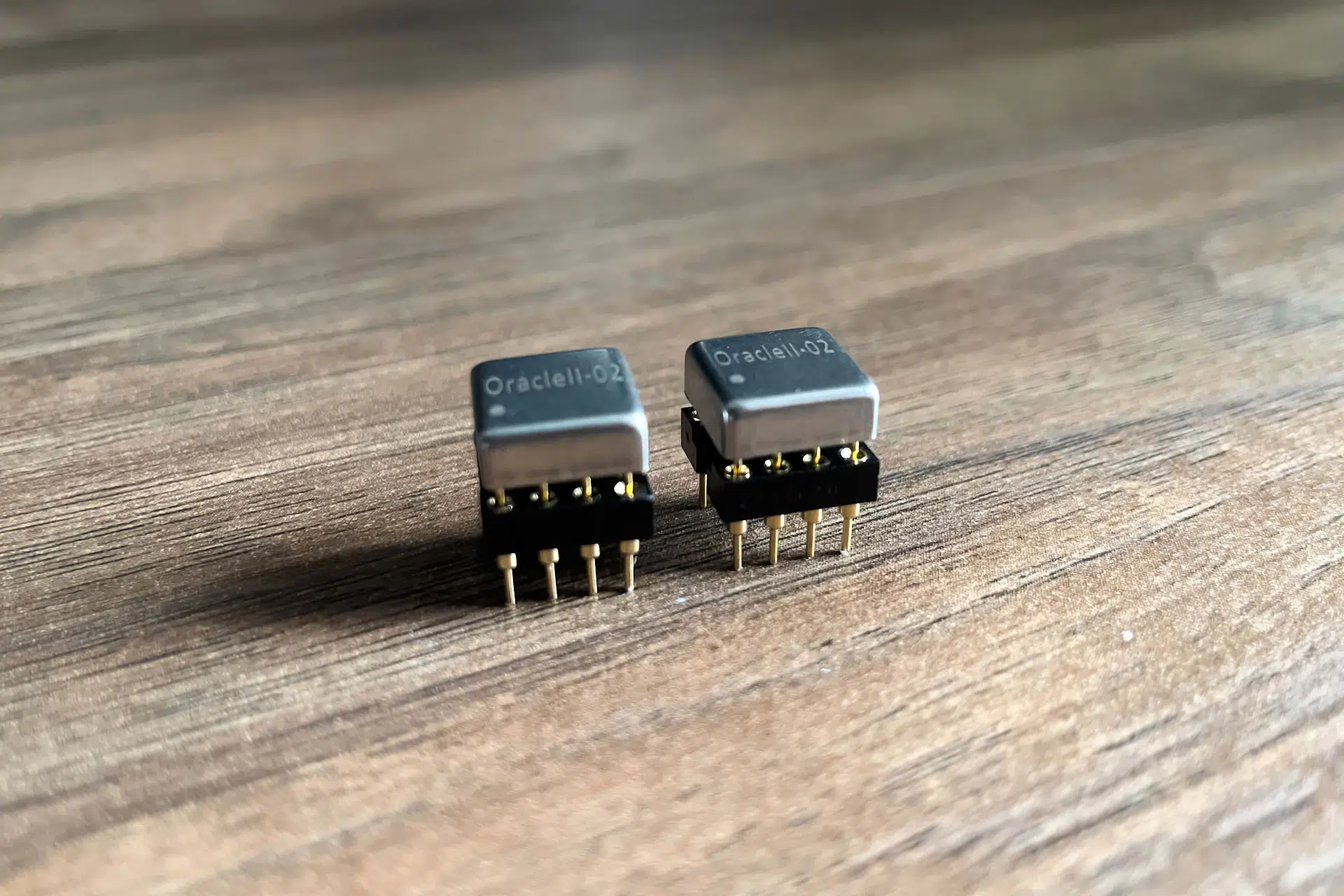
The Oracle II-02 DIP-8 op amps had a reputation for musicality and balance. This may be better described as smooth, controlled, and natural-sounding rather than overly analytic or aggressively detailed. This made it an appealing choice for a system that already leans toward clarity but could benefit from a touch of warmth and refinement.
The other reason for the selection of the Oracle II-02 was the desire to live with one configuration for quite some time. Constant swapping of op-amps can make it difficult to get a clear impression of anything. By committing to the Oracle II-02 op amp on Aiyima A80, it becomes easier to evaluate how it performs over time and across different listening conditions.
First-Time DIY Considerations and Preparation
This was a first experience with DIY electronics, which meant caution was essential. Working inside an amplifier is very different from external upgrades. Components are sensitive, traces are delicate, and mistakes can be costly.
Preparation involved understanding the disassembly process, identifying the correct op amps on the board, and ensuring the right tools were available. Taking time to prepare reduced anxiety and helped avoid unnecessary risks.
Tools Required for the Op Amp Swap

The Aiyima A80 op amp mod does not require specialized equipment, but a few basic tools are essential. A 2mm hex key is needed to remove the chassis screws. There are four screws on the back panel and two on the bottom. The volume knob must be removed carefully, followed by loosening the nut on the potentiometer.
An IC extractor is highly recommended for removing the DIP-8 op amps cleanly and safely. This minimizes the risk of bending pins or damaging the socket. Keeping the original op amps as a backup is strongly advised, especially for first-time modders.
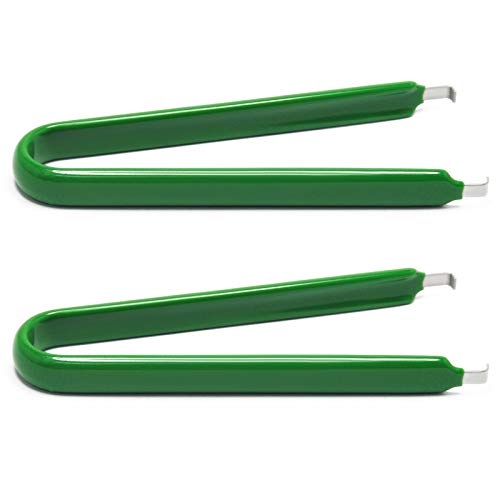
- Antistatic Clip Pliers Circuit Board PLCC PCB IC Chip Extractor Removal Tool for Arduino
- This U type IC extractor is used for pulling integrated block, which is a convenient and professional tool for students to have experiments.

- 26-piece long-arm hex key set for quickly tightening or loosening fasteners; standard and metric sizes
- Made of chrome-vanadium steel for rugged strength; black oxide finish for protection against corrosion; sand blasted for a smooth surface


- EVERYTHING YOU NEED IN ONE KIT — 27 pieces: T-handle ratchet driver, sockets including: 7-metric (4mm, 5mm, 6mm, 7mm, 8mm, 10mm, and 12mm), 7-inches (5/31, 3/16, 7/32, ¼, 5/16, 3/8, and 15/32), 10 bits, magnetic extension bar, and hard-shell storage...
- PERFECT FOR HOME, DIY & ELECTRONICS — Light furniture assembly, toy repair, appliance work, electronics. Not for cars, or heavy-torque jobs.
Step-by-Step Installation of the Oracle II-02 Upgrade on Aiyima A80
Once the casing is open, the internal board can be slowly slid out from the back. This step should be done gently, without forcing anything. Inside, the stock NE3352P op amps are easy to identify.
Using the IC extractor, carefully remove the stock op amps. This should be done slowly, applying even pressure to avoid stressing the socket. The Oracle II-02 is then installed, ensuring the orientation is correct. Pin alignment is critical, as incorrect orientation can damage both the op amp and the amplifier.
The most important rule throughout this process is simple: take it slow—haste leads to damage.
Visual Reference: Op Amp Location and Orientation

A visual reference can be used to verify the correct op amp position and pin orientation. Always double-check before reassembling the unit. Be sure that the first dot on the op amp and the first pin on the amplifier board match.
Initial Sound Impressions With Oracle II-02
After installation, the first noticeable change was a slightly warmer overall tonal balance. The sound felt smoother and more relaxed, particularly through the midrange. On the Jamo S626 speakers, this translated into reduced listening fatigue, especially during longer sessions.
High frequencies became less sharp, making it easier to listen at higher volumes without discomfort. This does not mean detail was lost, but rather that the presentation became more natural and forgiving.
Bass Performance and Speaker Interaction
Bass response with the Oracle II-02 op amp on Aiyima A80 felt more extended and confident. Low frequencies had more presence and weight, which added body to music. On the Jamo S626 speakers, this sometimes resulted in bass that leaned toward being slightly boomy.
This behavior is likely influenced by speaker placement and room acoustics rather than the op amp alone. With careful positioning, the bass balance can be improved, suggesting that the Oracle II 02 is revealing rather than inherently exaggerated.
Volume Dependency and Soundstage Changes
One interesting observation is that the Oracle II-02 seems to perform best when played a bit louder. At low volumes, the changes are subtle. As volume increases, the sound opens up and becomes more engaging.
Vocals are more centralized, with a modest but noticeable expansion of the soundstage. The presentation feels more focused, with better separation between instruments, without sounding artificially wide.
Living With the Oracle II-02: Long-Term Expectations

This upgrade is not about an instant wow-factor. Instead, it is about long-term listening comfort and refinement. Over time, the smoother presentation and reduced fatigue become more apparent, especially for listeners who spend hours with their system.
The plan is to run the Oracle II-02 op amp on Aiyima A80 for several weeks, across different genres and listening levels, to fully understand its long-term behavior. Subtle upgrades often reveal their true value gradually rather than immediately.
After spending a few hours on music streaming and vinyl playback, I found there are big differences from the stock op amp. Tested on some old Japanese vinyl records, amazing instrument separation, warmer sound, and the soundstage is wider. The op amp shines when listening to something slow, such as Jazz, blues, or oldies. Vocal remained centered, Guitar and instrument are well noted on the 6 points in the soundstage.
My speakers totally disappeared from my listening position.
Is the Oracle II-02 Dual Op Amps Worth It on the Aiyima A80?
Ultimately, sound preference is highly personal, and it comes down to how you want your system to sound. Measurements and opinions can only go so far—what truly matters is listening with your own ears and deciding whether the presentation aligns with your taste and listening habits.
Comparing the Oracle II-02 dual op amps with the stock NE3352P reveals that neither is objectively “better,” but rather tuned differently. The NE3352P presents a more restrained low end on my system, which helps keep bass tighter and less prominent. This characteristic allows the midrange to stand out more clearly, giving vocals and instruments a slightly forward and focused presentation. On my speakers, this can sound cleaner and more controlled, especially at moderate listening levels.
The Oracle II-02 op amp on Aiyima A80, on the other hand, leans toward a fuller and slightly warmer sound. Bass extends deeper and carries more weight, which adds body and scale to music, particularly when listening at higher volumes. While this can occasionally border on being boomy depending on speaker placement and room acoustics, it also contributes to a more immersive and relaxed listening experience. The midrange remains natural, but the presentation feels smoother and less fatiguing over long sessions.
In practice, the choice between the Oracle II-02 and NE3352P comes down to system synergy and personal preference. If you prefer a tighter, mid-focused sound, the stock NE3352P may suit your setup better. If long-term listening comfort, warmth, and a slightly more expansive presentation are priorities, the Oracle II-02 offers a compelling alternative.
Fake Oracle II-02 Op Amps: What Buyers Should Be Aware Of
Fake op amps have been around for years, and honestly, this is nothing new in the DIY audio world. Because many genuine op amps cost only a few cents to a few dollars, the idea of obsessively comparing every chip often feels unnecessary. In practice, most experienced hobbyists already understand that counterfeits exist and choose to focus on listening results rather than speculation.
That said, as interest in the Oracle II-02 op amp continues to grow, it is still worth acknowledging a reality of the market: counterfeit or misrepresented op amps do exist. Like many popular audio components, the DIP-8 op amps has become a target for sellers offering products that look convincing but may not fully meet the original specifications or performance standards.
Fake Oracle II-02 op amps can appear identical at first glance. Packaging, labeling, and even chip markings may closely resemble genuine units. Internally, however, these versions may use different silicon or lower-grade components, which can lead to inconsistent sound quality, higher noise levels, or questionable long-term reliability. In a modification where changes are already subtle, this can make evaluation more confusing than helpful.
Ultimately, this is less about fear and more about awareness. If the sound does not align with expectations, it may be worth considering the source of the component rather than immediately questioning the design itself. In DIY audio, listening experience matters most—but knowing the limitations of the market helps set realistic expectations.
How I Get These Oracle II-02 Op Amps?
I was a little skeptical at first after seeing all the discussions and videos online about fake op amps. I ended up buying from a seller outside the usual local marketplaces and spent time checking the seller’s profile. The price wasn’t unrealistically low either, definitely not under $10 for a chip.
Reviews mattered a lot and helped me figure out whether the seller was legit. Just make sure to do more research on the seller profile, and you’re good to go.
Conclusion

The Oracle II-02 op amp on Aiyima A80 represents a thoughtful, low-risk upgrade for audiophiles willing to take a careful DIY approach. It does not chase hype or extremes, but instead focuses on refinement, comfort, and balance. For first-time modders, it also serves as an excellent introduction to hands-on audio customization.
This successful first DIY modification has built confidence and opened the door to future projects. There will be more experiments ahead, including planned work on the Fosi Audio ZA3, where further tuning and exploration are on the horizon.



One Response
I just installed one of this Oracle op amp on my Aiyima T9 pro by removing the original OPA 1656 and soldering a sop8 to dip8 adapter.
The oracle sound is stunnig with the rolled tubes from Heintz and Kaufman 6ak5/5456.
The soundstage is absurd.
I am so happy.