It’s been a while since I last released a new film recipe, and I’m finally back with a fresh Japanese film-like take called Escura Shōwa 400 film recipe. This version is inspired by the quiet, nostalgic feel of Shōwa-era photography, built for photographers who enjoy slow streets and everyday scenes rather than bold, modern colors.
Escura Shōwa 400 film recipe is designed to mimic the look of the original Escura Shōwa 400 film stock, also known as Escura “Shōwa Film.” The character comes from its emulsion-style color response, which makes it easier to create retro-style photos that feel like they belong to an older Japan. Colors stay muted, contrast stays gentle, and highlights roll off softly, giving images that aged, film-printed look straight out of the camera.
Retro shooting has slowly become a popular style again, especially for street and travel photography. This look is defined by low saturation and low contrast, which helps photos feel calmer and more natural. Escura Shōwa 400 film recipe follows that direction closely, focusing more on mood and texture than sharpness or punchy tones.

Dynamic Range: DR400
Highlight: -2
Shadow: -1
Color: -2
Sharpness: -2
Clarity: 0 or -4 (dreamy)
Noise Reduction: -4
Grain Effect: Strong / Large
Color Chrome Effect: Off
Color Chrome FX Blue: Off
White Balance: Daylight
WB Shift: R 0 / B -5
ISO: Auto 6400
Exposure Compensation: +2/3 to +1
This Escura Shōwa 400 film recipe shines in quiet environments. Narrow alleys, residential streets, older buildings, and small towns work beautifully. It also fits well with subjects like bicycles, stray cats, vending machines, and empty sidewalks.
Daylight and overcast conditions are ideal. Harsh midday sun still works, but let highlights clip slightly and don’t fight it. This recipe likes light that feels loose and natural.
If you enjoy getting low to the ground or shooting from close range, this recipe rewards that approach. The textures come alive without feeling harsh.
If you are not using any diffusion filter and want the dreamy look, set Clarity to -4.
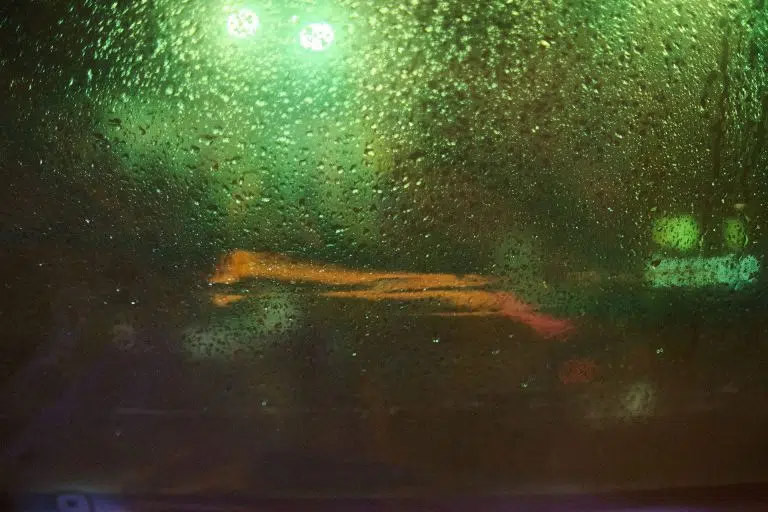
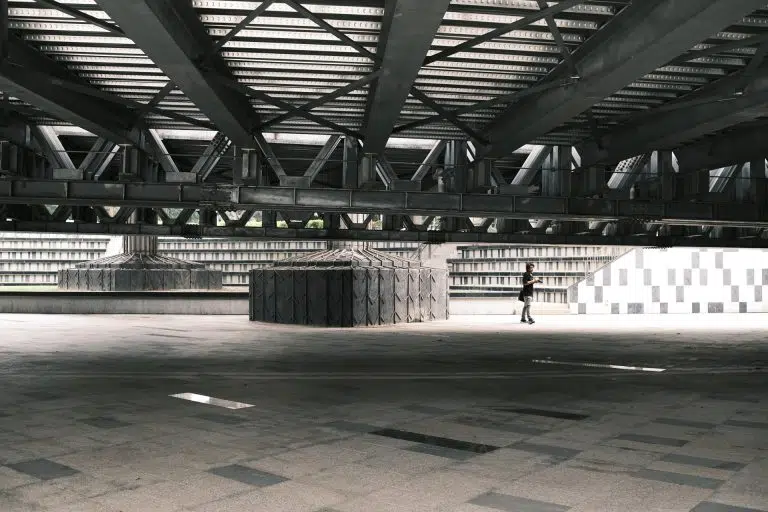
In practice, this Escura Shōwa 400 Fujifilm recipe produces images with lifted highlights and relaxed shadows. Pavement textures look rough but gentle. Fur, skin, and concrete all feel natural. Colors stay muted, with reds and greens pulled back so nothing jumps out too much.
Grain is visible, especially in flat areas like walls and roads. That grain is intentional. It adds character and removes the sterile feel that digital images can sometimes have. The heavy clarity reduction softens edges, which helps the photo feel older and less precise.
To get the most out of this Escura Shōwa 400 film recipe, expose a little brighter than usual. Don’t be afraid of overexposure up to +2/3 or +1 on the Exposure Compensation. That washed look is part of the charm. Keep your composition simple and avoid busy backgrounds when possible.
Older lenses or small primes pair well with this recipe. Even modern lenses look softer thanks to the clarity and sharpness settings. Manual focus lenses can add an extra layer of character if you enjoy that process.
This Escura Shōwa 400 film recipe works best on Fujifilm cameras with X-Trans IV and X-Trans V sensors. Cameras without Color Chrome FX Blue can still use this recipe without issue since the setting is turned off.
If your camera doesn’t support Clarity, expect a slightly sharper look. You can compensate by lowering sharpness further and leaning more on grain.
With looks inspired by Shōwa-era film, these Japanese-themed film recipes work best when you slow down and observe your surroundings. Quiet streets, worn buildings, and small details often say more than dramatic scenes. Shooting JPEGs straight out of the camera becomes more enjoyable when the final image already carries emotion and character.
If you enjoy street photography with a nostalgic touch, Fujifilm recipes are worth exploring and refining over time. Each film recipe becomes part of your visual voice, helping you tell stories that feel calm, timeless, and deeply personal.
Check out our best film simulation recipe collections.
Note: The Fujifilm film simulation recipes shared on this website are based on personal experience and experimentation. These settings are designed to mimic the look of various film stocks but are not exact replications. Film characteristics vary based on factors such as lighting, lens choice, and camera model. Results may differ depending on individual shooting conditions and preferences. Use these recipes as a creative starting point and adjust them to suit your style. This content is not affiliated with or endorsed by Fujifilm or Kodak. Some links on this page may be affiliate links, which help support the site at no extra cost to you.
Curated Camera Gear & Vinyl Records